Q1 What is Judo?
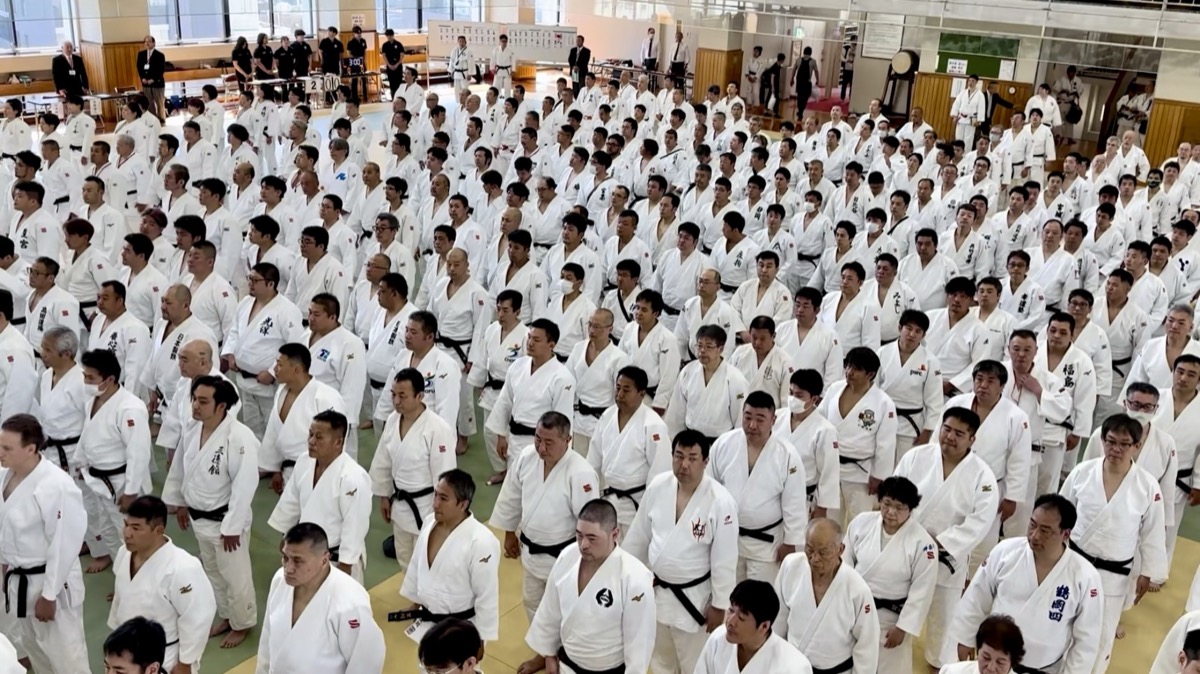
Judo is a modern martial art founded in Japan by Jigoro Kano in 1882. It takes Kodokan Judo as its core, with "Maximum Efficiency, Mutual Welfare and Benefit" (Seiryoku Zen'yo, Jita Kyoei) as its guiding spirit.
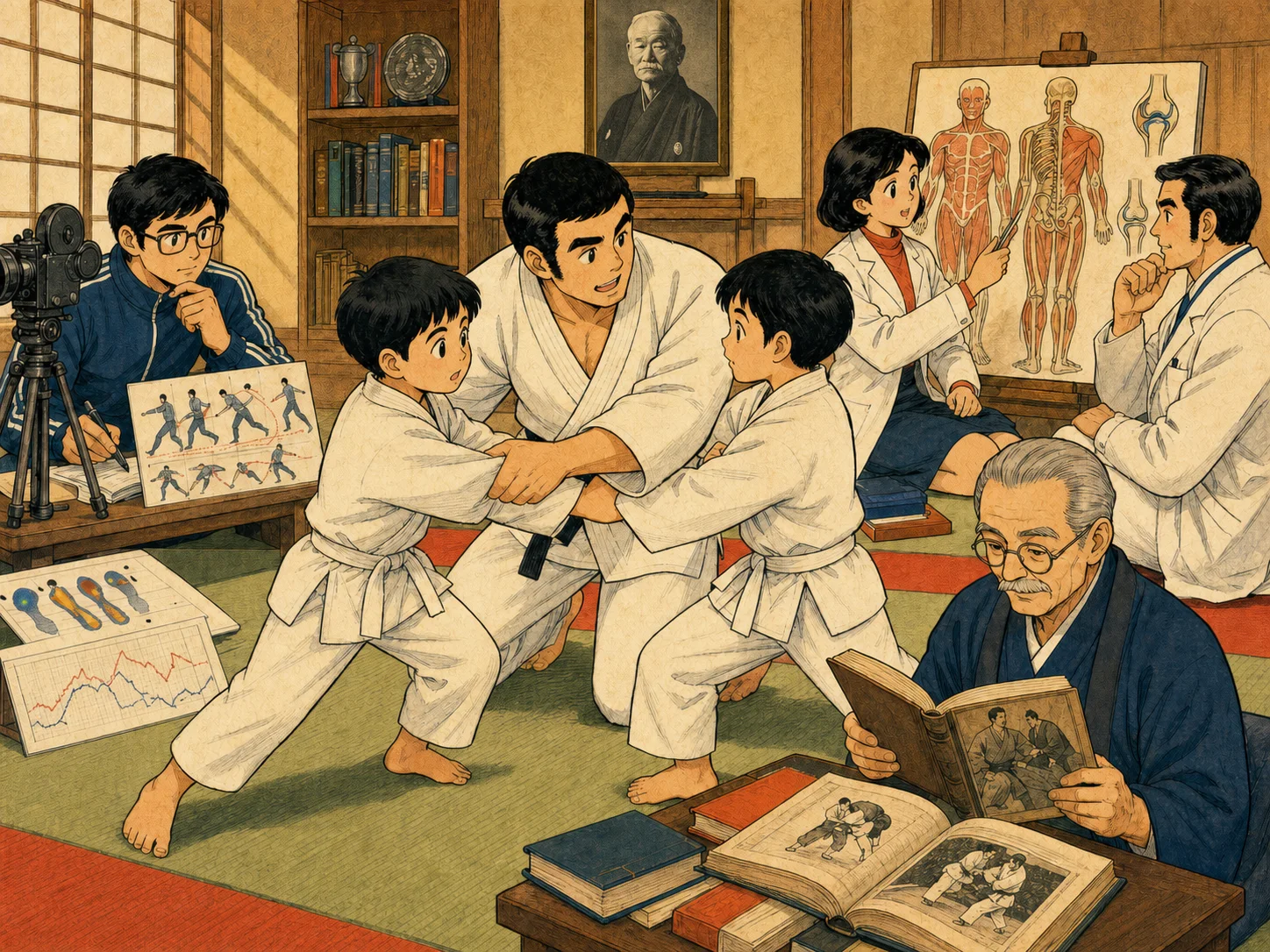
The predecessor of Judo is traditional Japanese Jujutsu. Jigoro Kano reorganized the techniques, training methods, and educational philosophies of classical Jujutsu to establish a safer, more systematic martial art that places greater emphasis on physical and mental education.
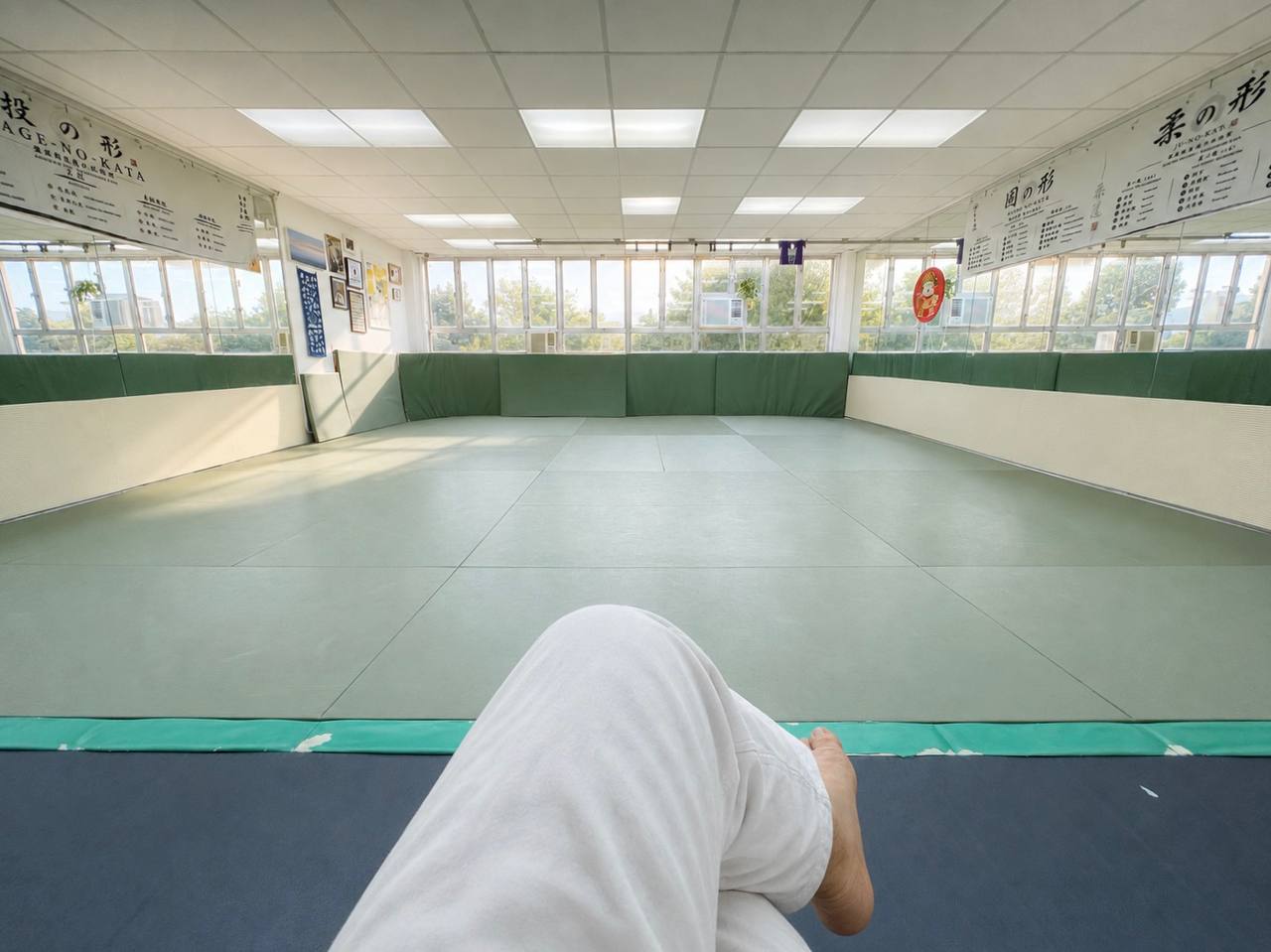
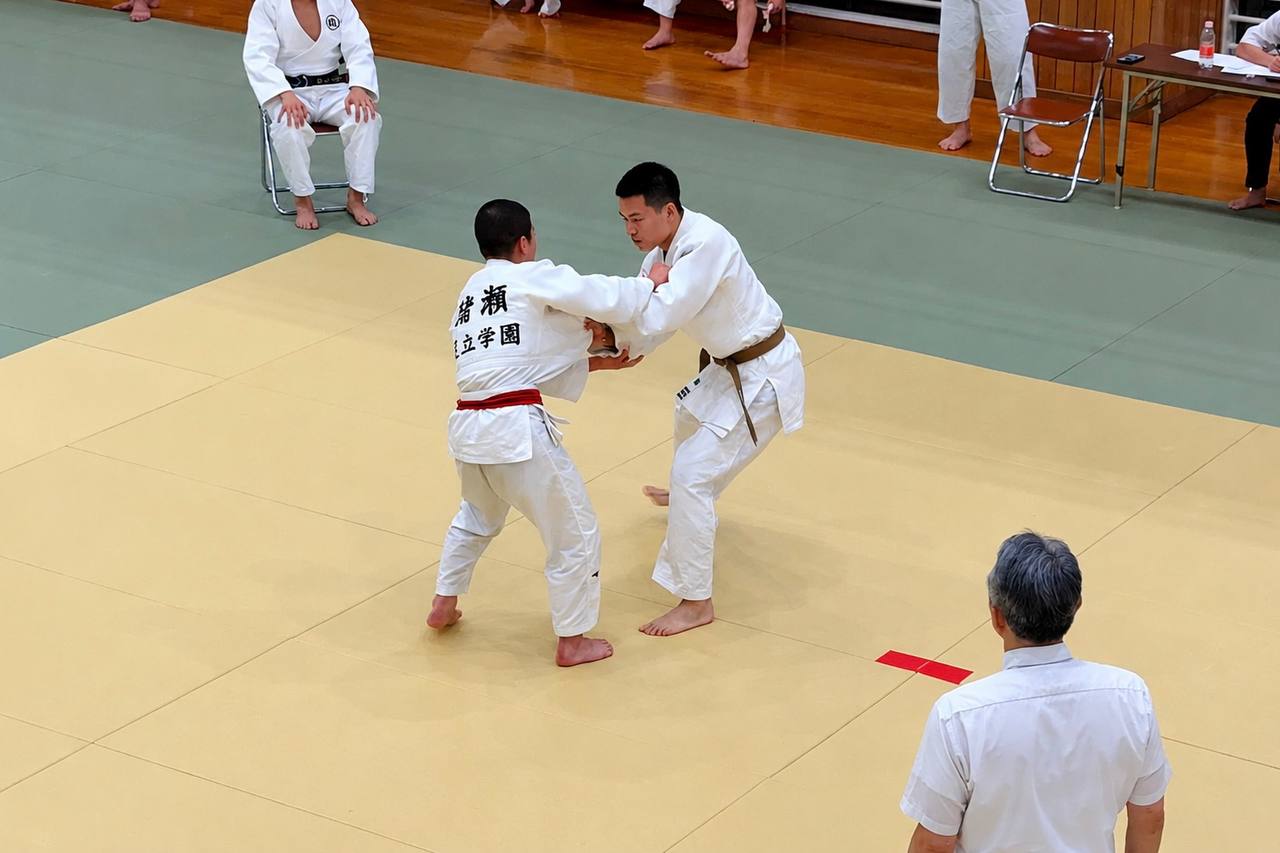
Judo encompasses Ukemi (breakfalls), Nage-waza (throwing techniques), Katame-waza/Ne-waza (ground techniques), Reihou (etiquette), and physical and mental training. Its goal is not simply to subdue an opponent, but to develop personal capabilities and steadfast goals through rigorous training.
Q2 Is Judo suitable for children?
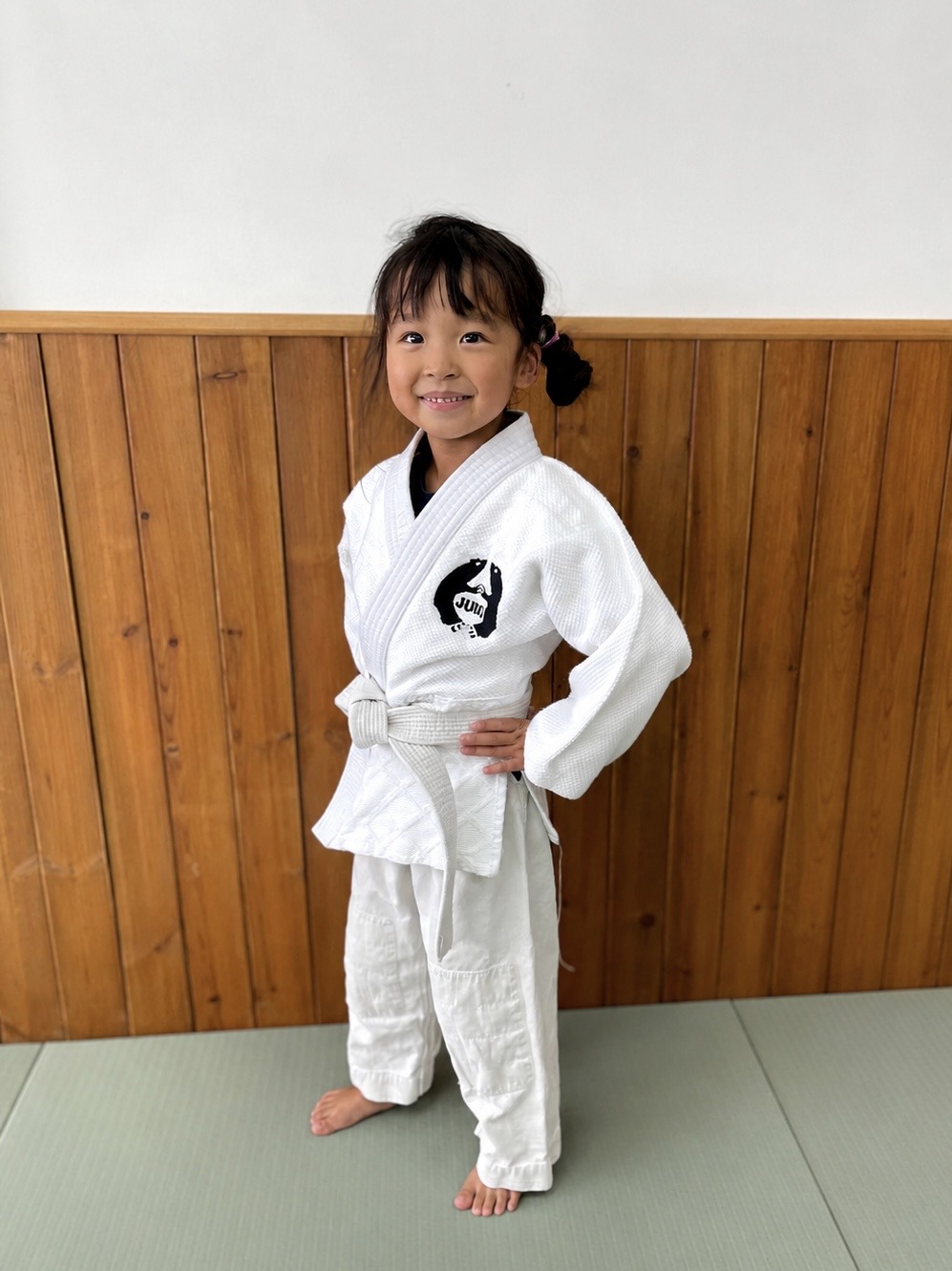
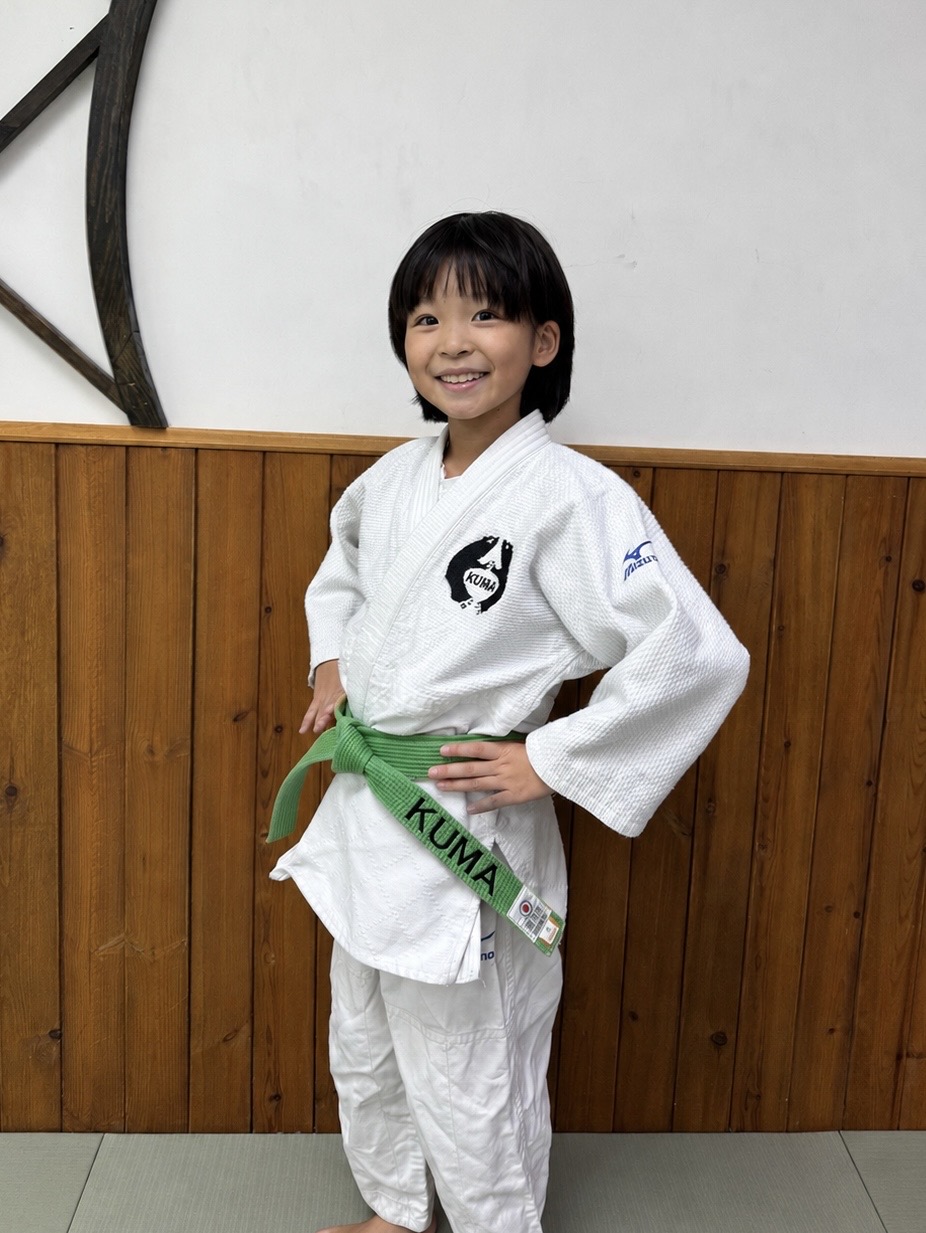
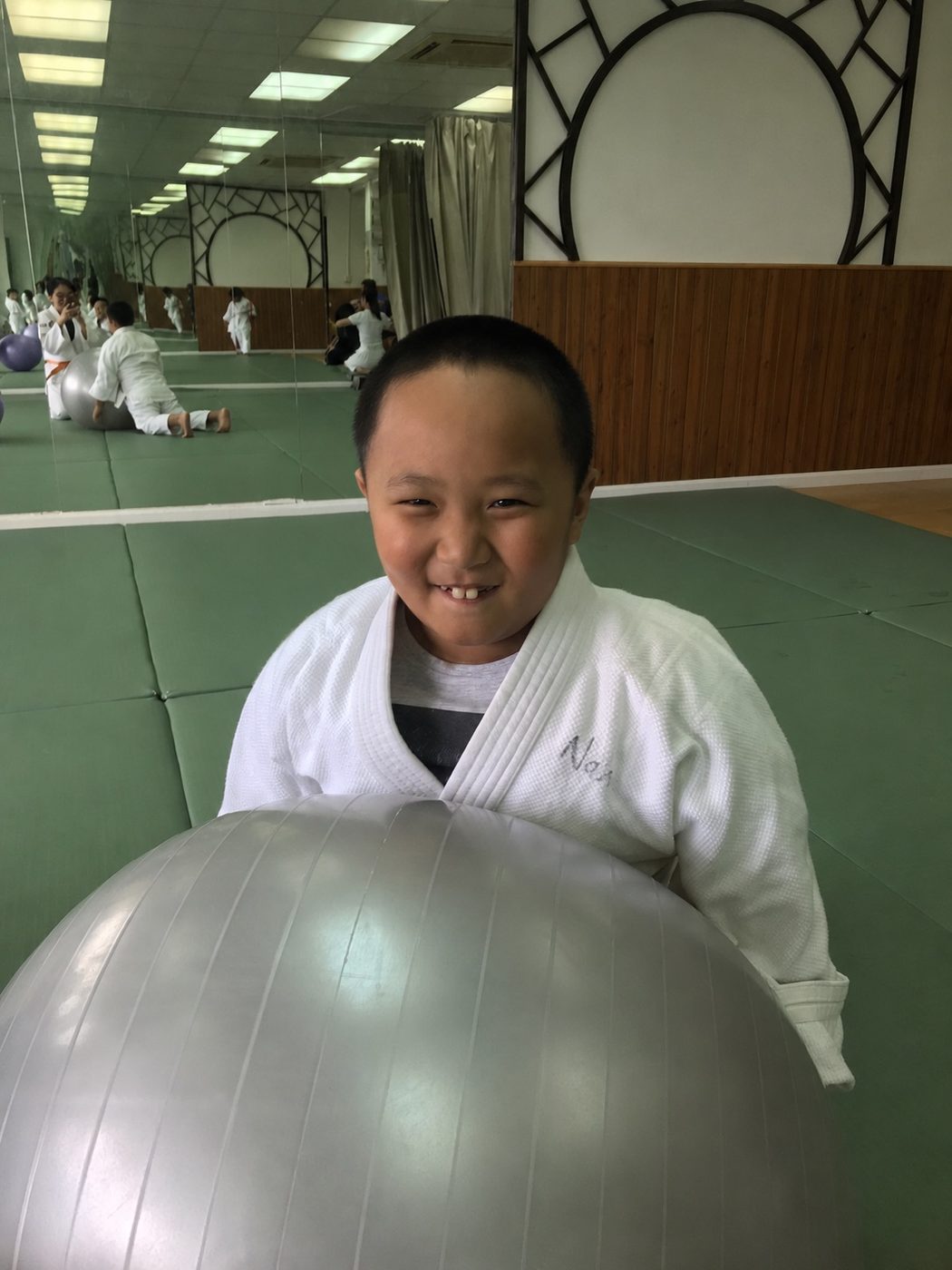
Highly suitable. Learning Judo benefits children for a lifetime.
In modern life, under the heavy influence of smartphones, algorithms, and AI, learning Judo helps children regain control over their bodies and minds. It instills etiquette, discipline, physical coordination, self-protection, and boosts self-confidence.
Judo competitions do not just focus on match results. For children, it is far more important to learn respect, focus, how to control their strength, and how to face setbacks.
Q3 Can adults start learning Judo?
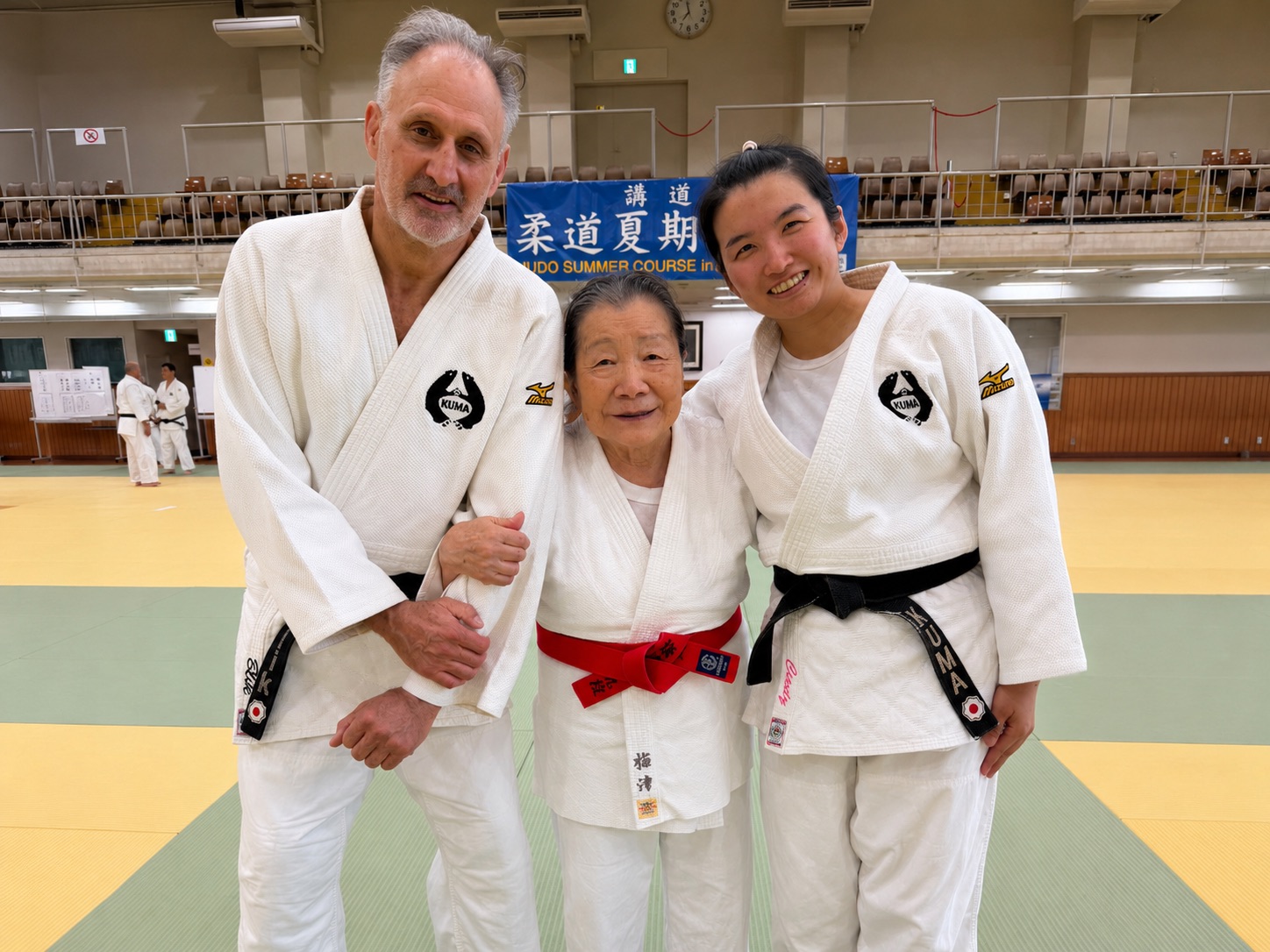
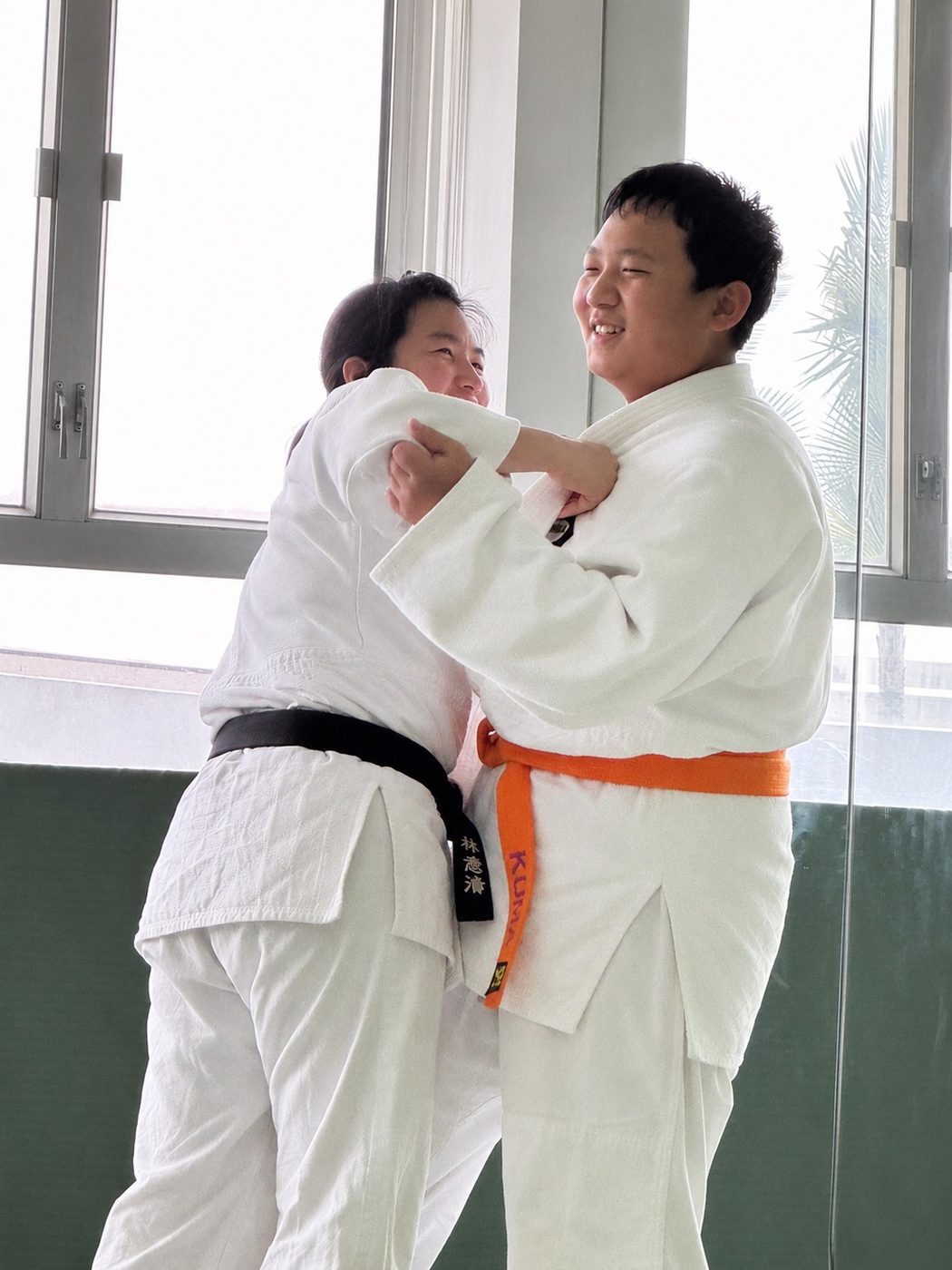
Of course. No matter how much time has passed, one should always encourage oneself to keep trying and learning new things. The Kodokan in Japan even has students who stepped onto the Judo mat for the very first time at the age of 70. As long as there is determination and focused practice, anyone can start from Ukemi (breakfalls), basic movements, and safety training, and progress step by step.
It can be said that Judo is suitable for anyone who refuses to give up easily.
Q4 Is Judo dangerous?
Any combat sport carries risks, which is why the very first lesson in Judo is learning Ukemi (breakfalls).
This means learning how to fall safely, which is one of the most vital fundamentals of Judo. One must first learn to protect oneself before being able to protect others.
Official Judo training places immense emphasis on safety. Ukemi and other fundamentals must be practiced repeatedly, rather than throwing people right from the start.
Q5 What is the relationship between Brazilian Jiu-Jitsu and Judo?
The two share deep historical roots.
Brazilian Jiu-Jitsu (BJJ) is often understood as focusing heavily on ground offense and defense, but ground techniques are not unique to BJJ. Kodokan Judo includes a complete system of Ne-waza (ground techniques), including Osaekomi-waza (pinning techniques), Shime-waza (choking techniques), and Kansetsu-waza (joint-locking techniques). Judo is not just about throwing an opponent from a standing position; it also encompasses how to control, pin, and execute submissions after the throw.
In other words, BJJ is a highly specialized development of a specific subset of Judo techniques. In contrast, Kodokan Judo places standing techniques, throws, breakfalls, ground techniques, etiquette, Kata (forms), and educational philosophy into a single, comprehensive system.
If you wish to learn complete body control—from standing, breaking balance (Kuzushi), throwing, and breakfalls, to ground control—Kodokan Judo already provides a complete, well-defined pathway.
Q6 What is Kodokan Judo?
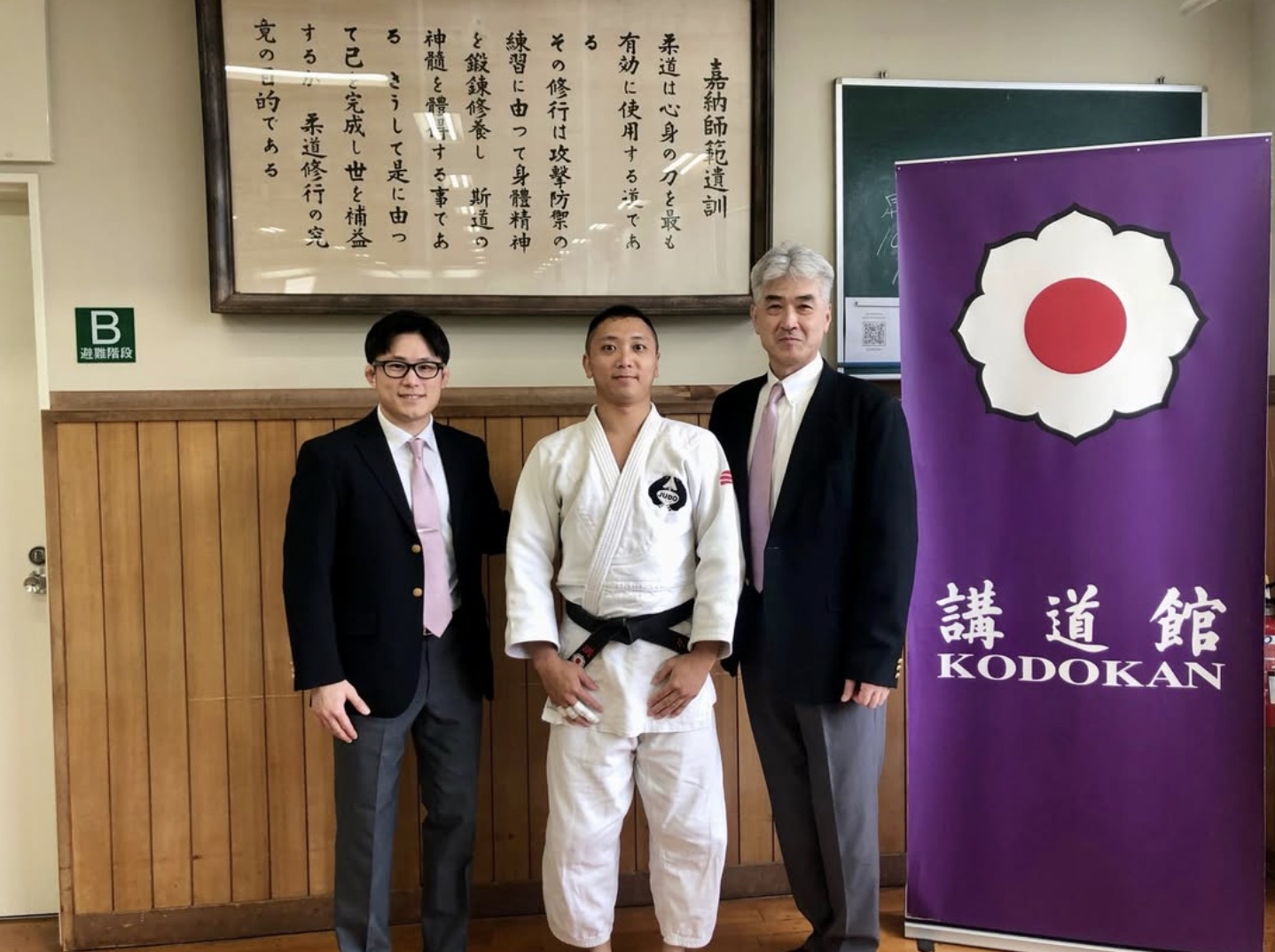
Kodokan Judo is the origin of Judo. Headquartered in Tokyo, Japan, it is the educational core established by Jigoro Kano after he founded Judo.
To understand the roots, etiquette, Kata, Dan rankings, and educational spirit of Judo, Kodokan Judo serves as an essential reference.
Q7 Do you have to compete in Judo?
No. Competition is a part of Judo, not the entirety of it.
Judo can also be a form of fitness, physical education, etiquette learning, technical cultivation, and a lifelong sport. People of different ages and with different goals can elevate and perfect themselves through studying and practicing Judo.
Q8 Why does Judo place so much importance on etiquette (Rei)?
Because Judo involves physical contact, wins and losses, and a contest of power. Without a strict emphasis on etiquette, it could easily degenerate into a brutal brawl.
The etiquette of Judo serves as a constant reminder for practitioners to respect their opponents, their teachers, and the rules, while also learning self-control.
Q9 What is the Kodokan Dan ranking system?
Judo is both a modern martial art and a sport. What makes Kodokan Judo unique is that it integrates technique, competition, etiquette, Kata, and mental cultivation into a single, cohesive educational system.
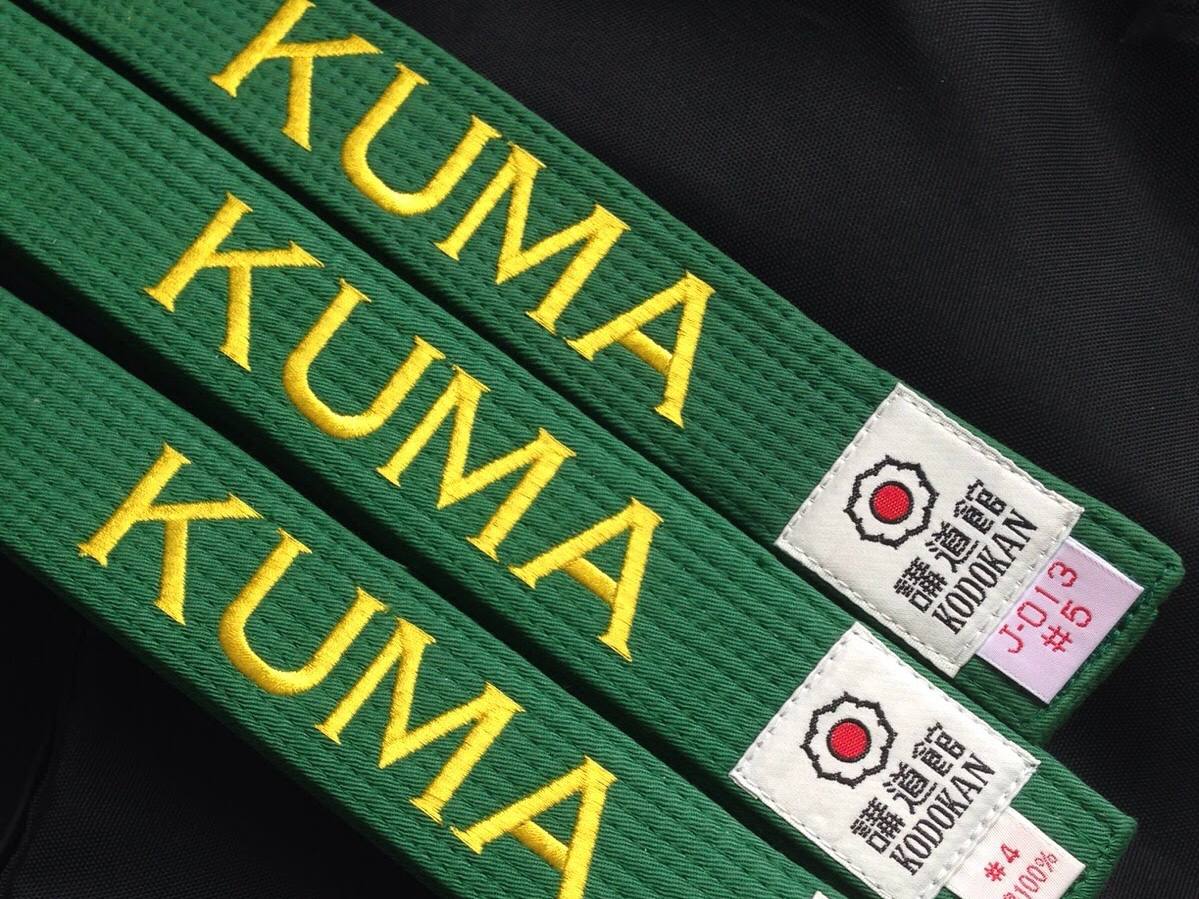
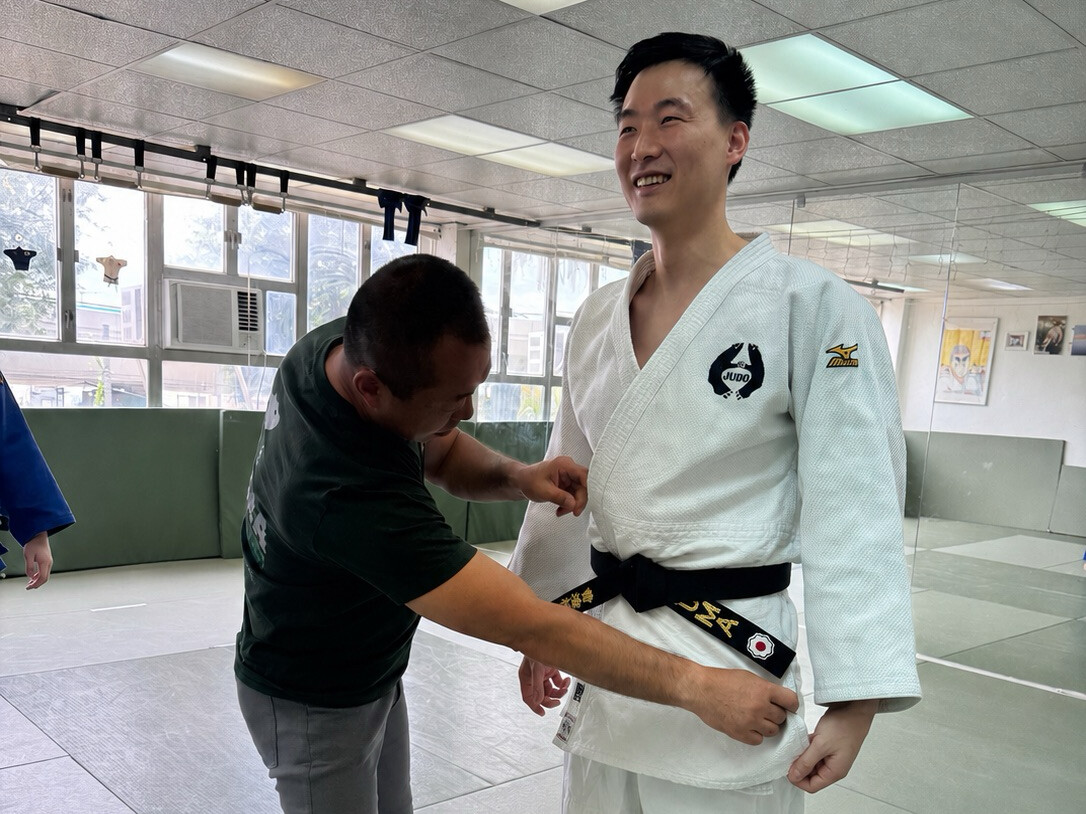
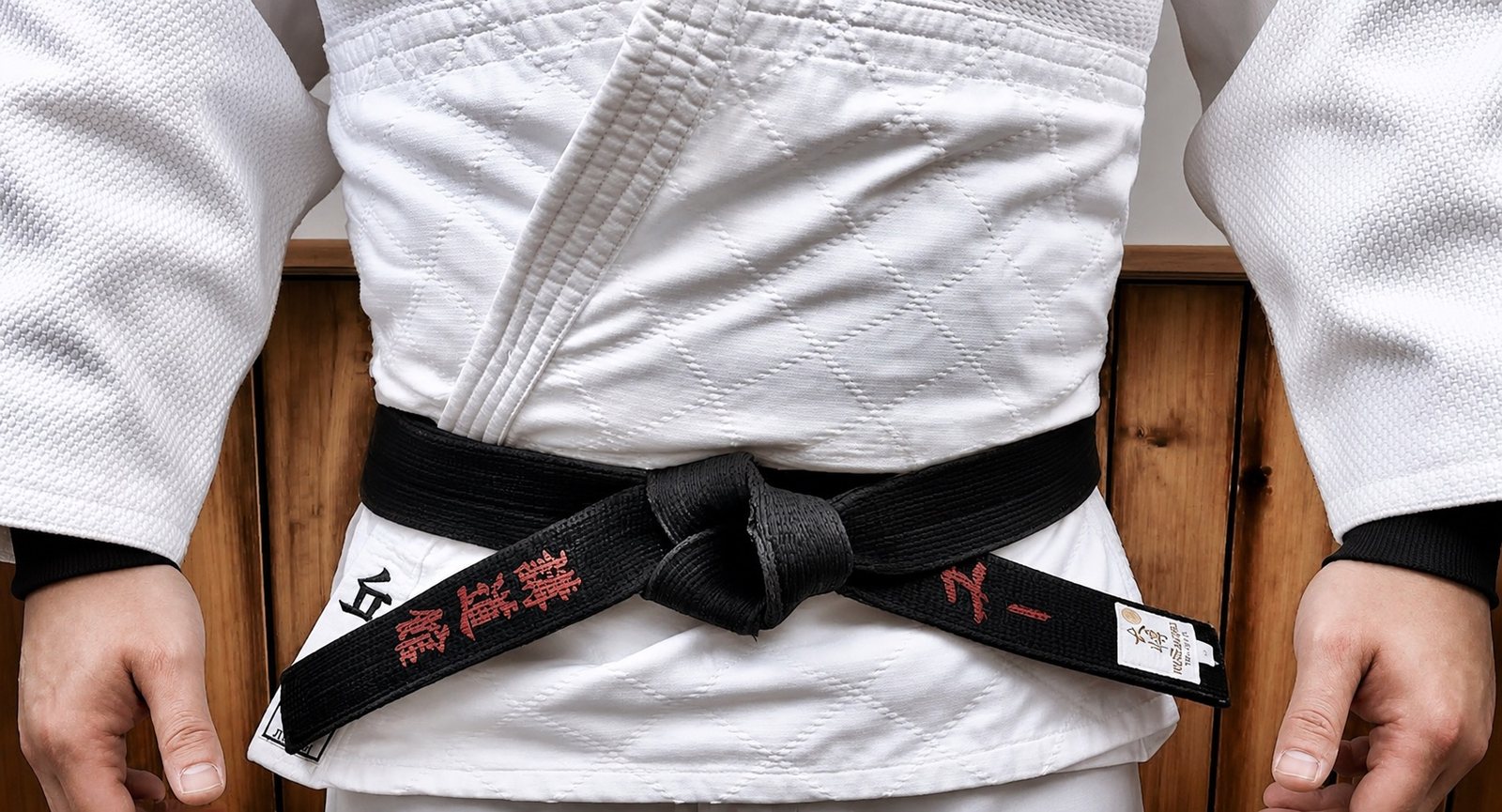
Kodokan Judo was the earliest modern martial art to systematize the Kyu (grade), Dan (degree), and black belt ranking system. The ranking structures adopted by many Japanese martial arts today trace their primary historical origin back to Kodokan Judo.
This system is not merely used to distinguish ranks, nor does it exist solely for tournament results. It provides practitioners with a clear path of growth, allowing them to gradually deepen their understanding of Judo through technical learning, sparring practice (Randori), the study of Kata, the practice of etiquette, and character development.
A truly meaningful Kodokan Dan rank represents the culmination of long years of dedicated cultivation. It reflects not only technical proficiency but also a mastery of Judo principles, a deep understanding of Kata and etiquette, and the comprehensive capability demonstrated through evaluation and practice.
High-ranking Kodokan practitioners are not merely titleholders; they are living proof that the century-old spirit of Judo continues to thrive in the modern era.