The Way in judo
Judo includes throws, groundwork and randori. It also teaches us to wear the judogi properly, enter and leave the tatami with care, keep the dojo clean, accept results and control our strength.
Judo is more than exercise
A dojo is a place to practise judo and learn etiquette, discipline and respect.
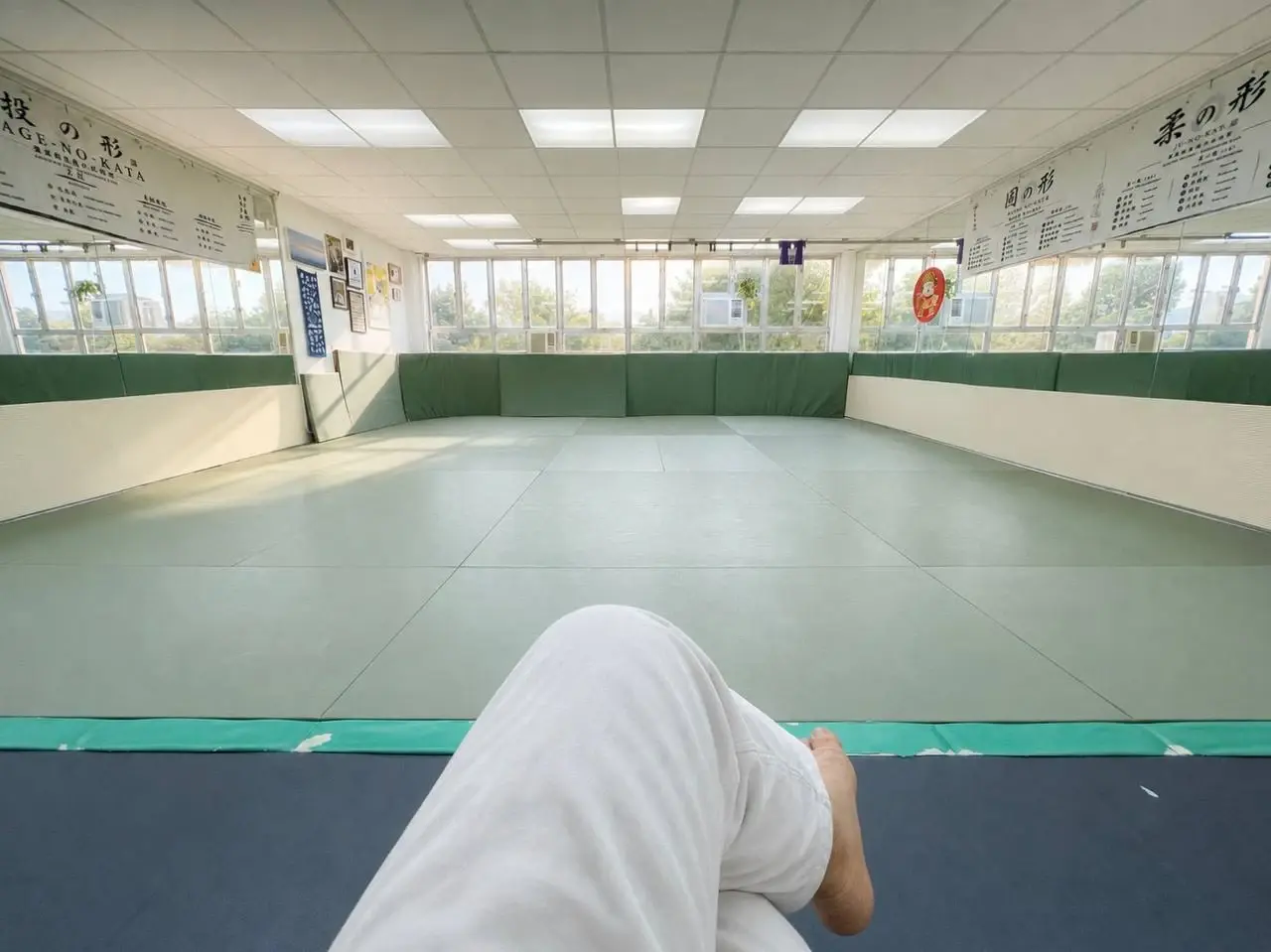
You can practise judo in a gym, but putting tatami on the floor does not automatically make a gym a dojo.
Tatami alone does not make a dojo.
Judo includes throws, groundwork and randori. It also teaches us to wear the judogi properly, enter and leave the tatami with care, keep the dojo clean, accept results and control our strength.
A bow shows gratitude and respect. We thank the sensei for teaching and our partner for practising with us. Without a partner, there is no progress.
The opponent in randori is also the partner who helps us improve. We practise with control so that both people can learn safely.
Kodokan judo calls this Jita-Kyoei: mutual welfare and benefit. Seiryoku-Zenyo means using body and mind well.
Students and sensei
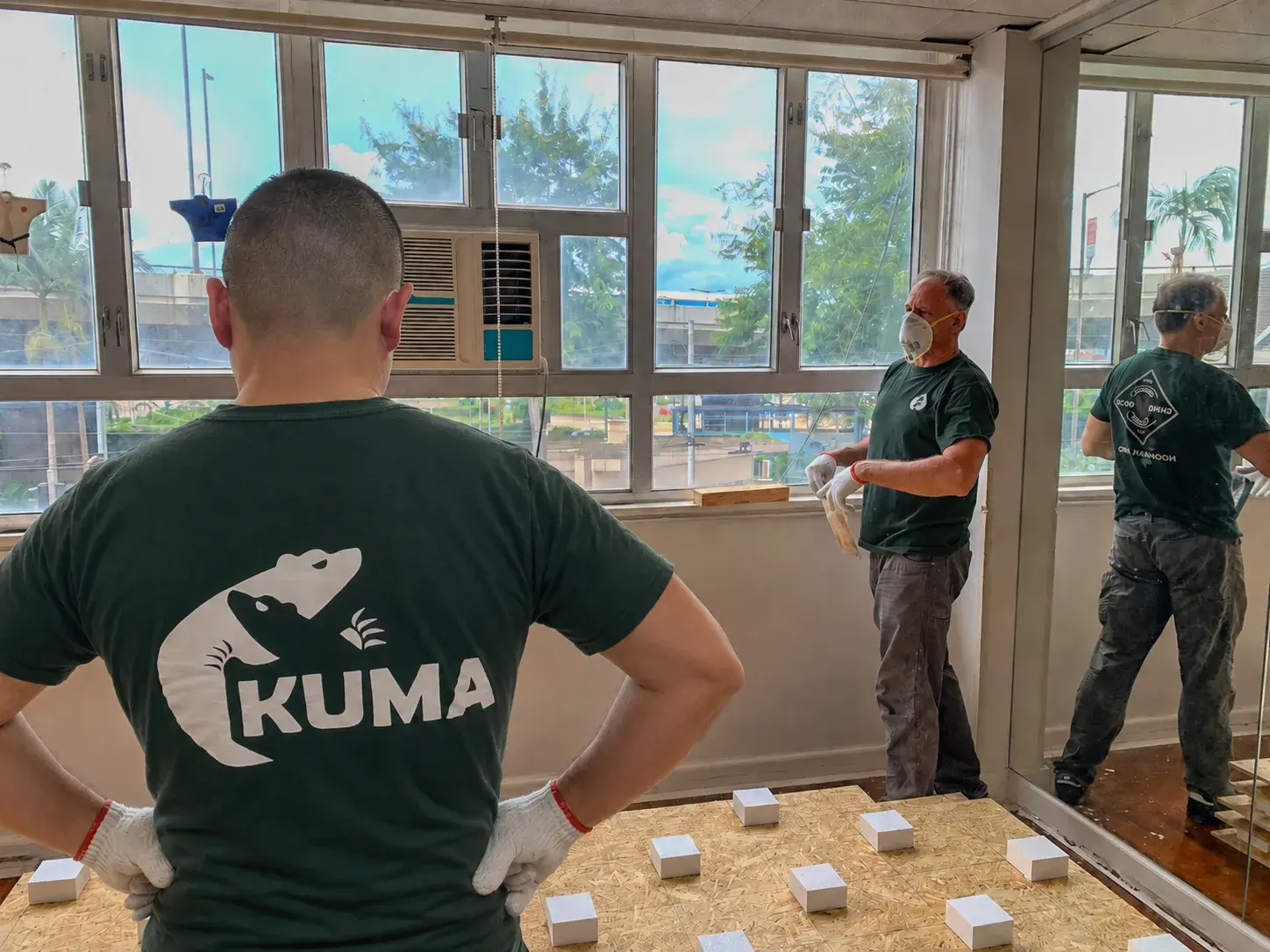
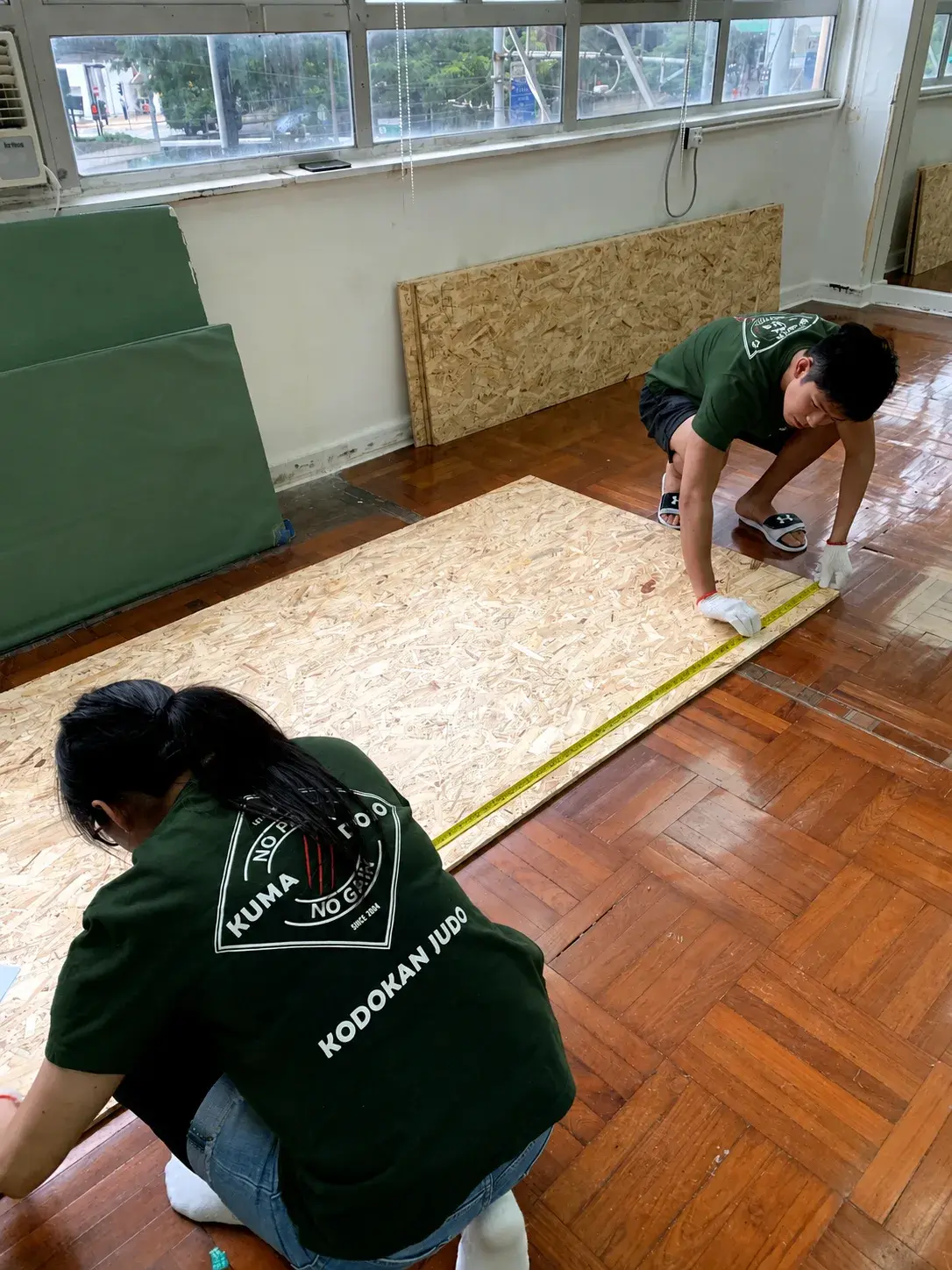
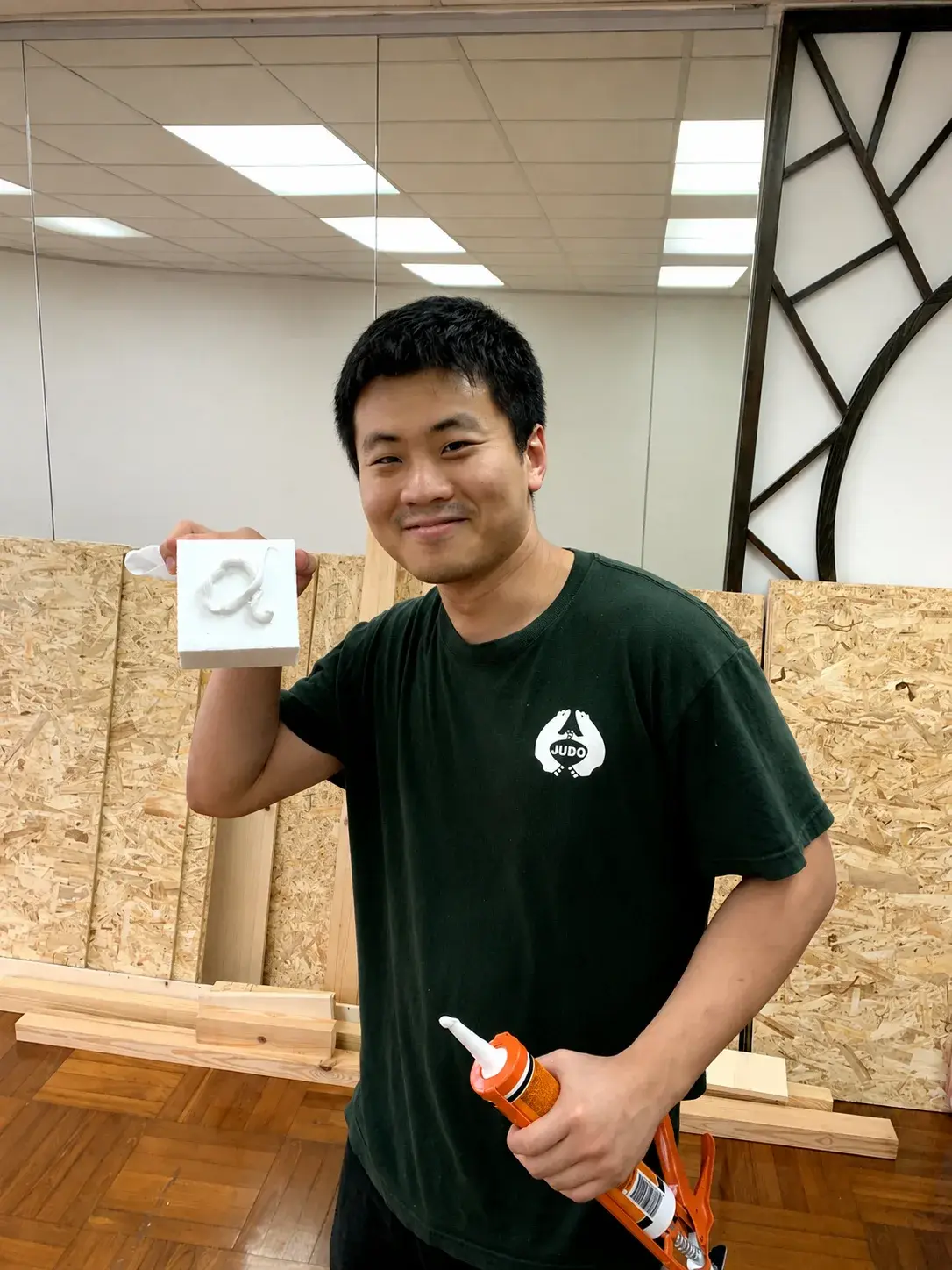
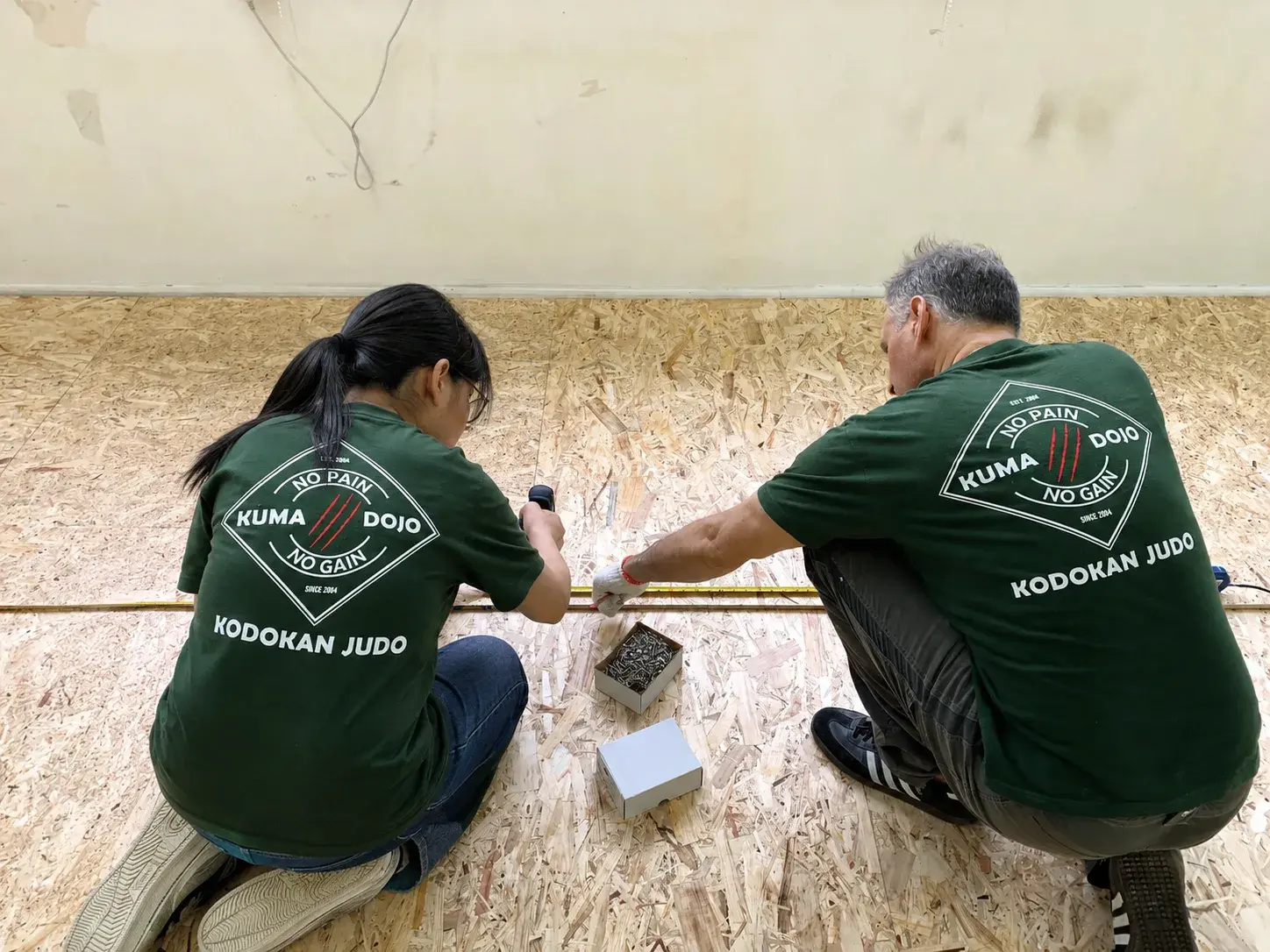
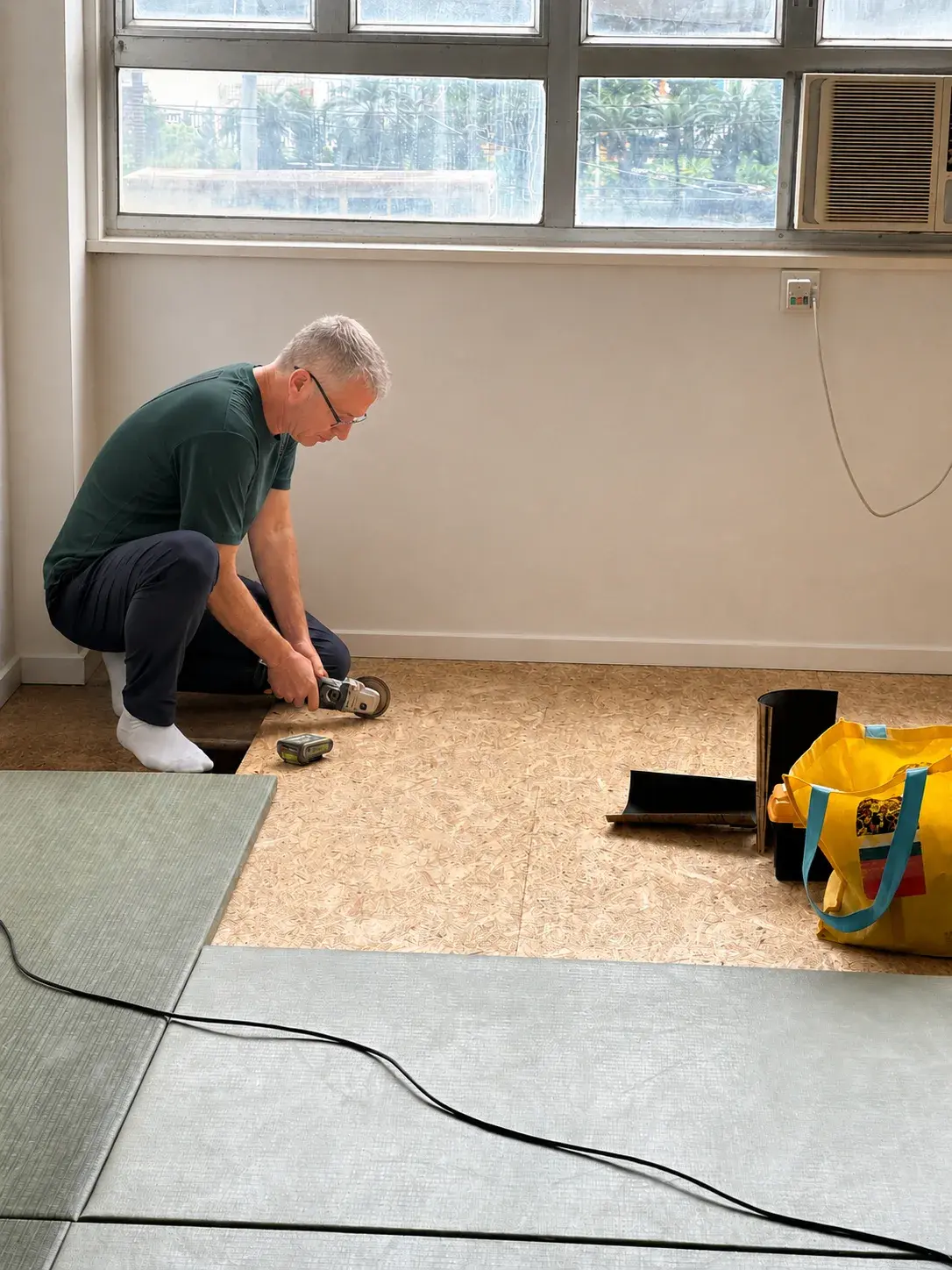
KUMA students and sensei measured, assembled and installed this floor by hand, one panel and one support at a time.
Protection beneath the surface
Our dojo, built by us.
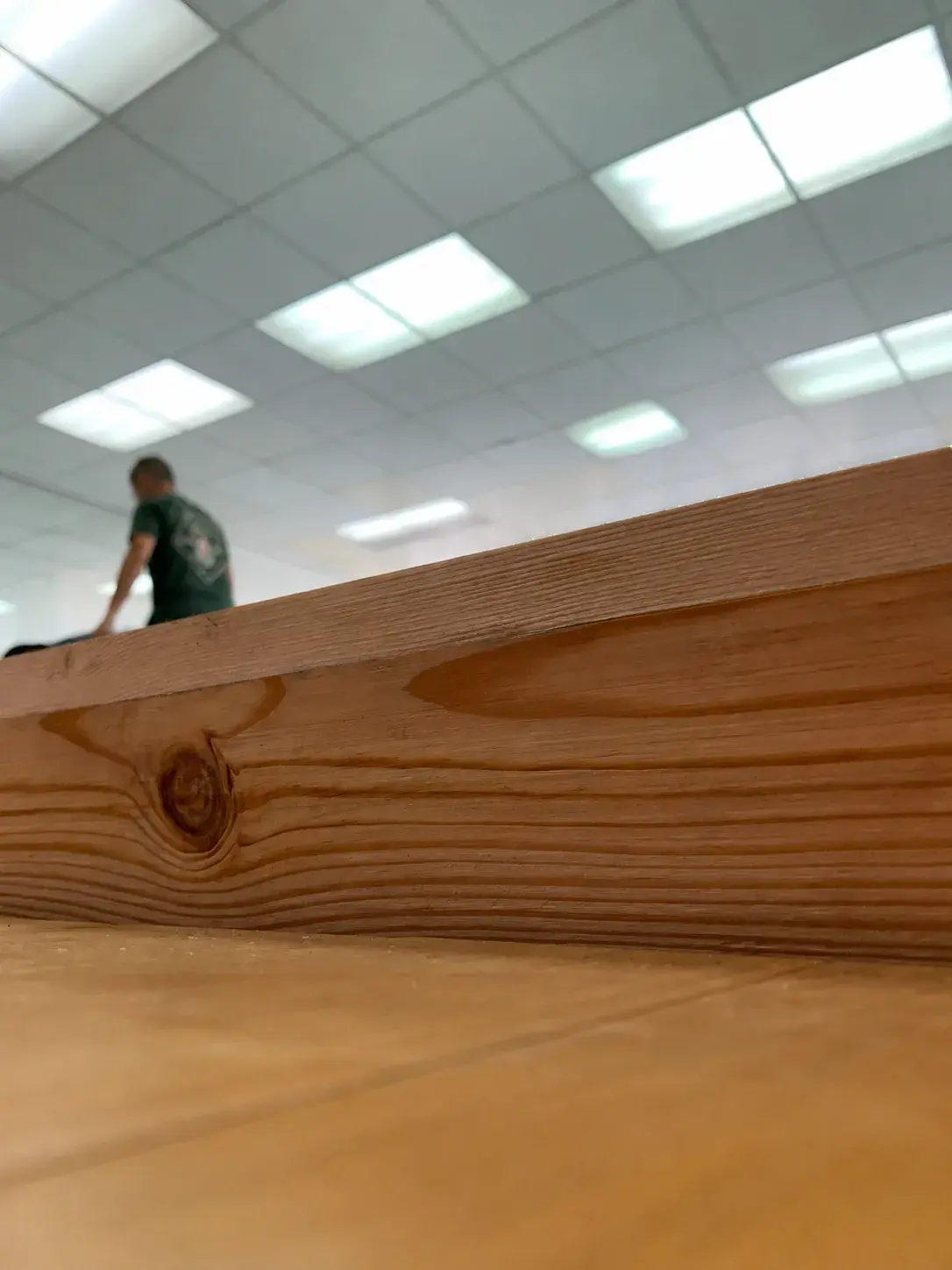
Our students and sensei designed, built and installed the KUMA Floor System to make training safer.
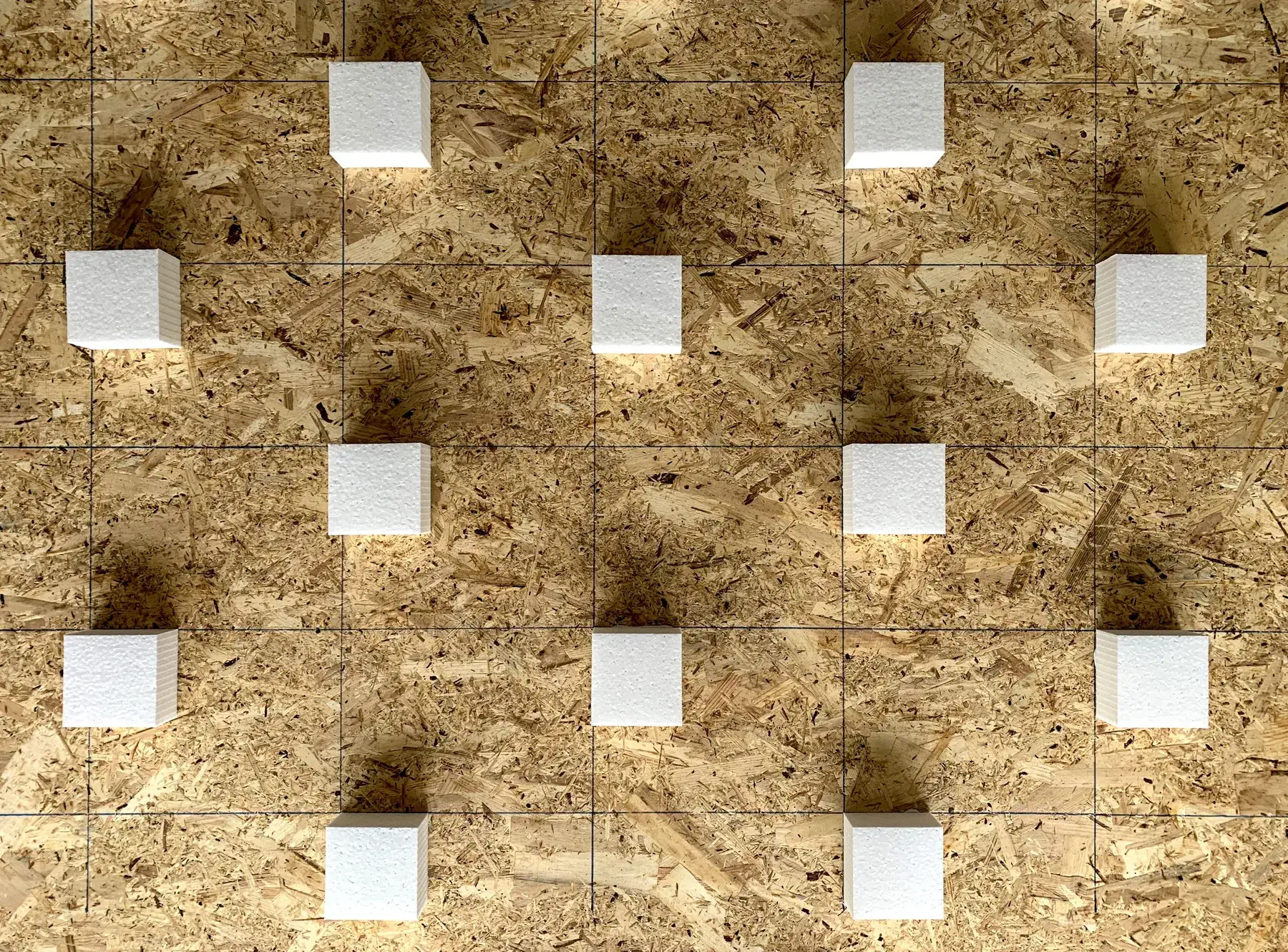
It sits beneath the tatami and helps absorb and spread the impact of throws and landings. You cannot see it during practice, but you can feel it when you land.
At KUMA, safety starts below the tatami.

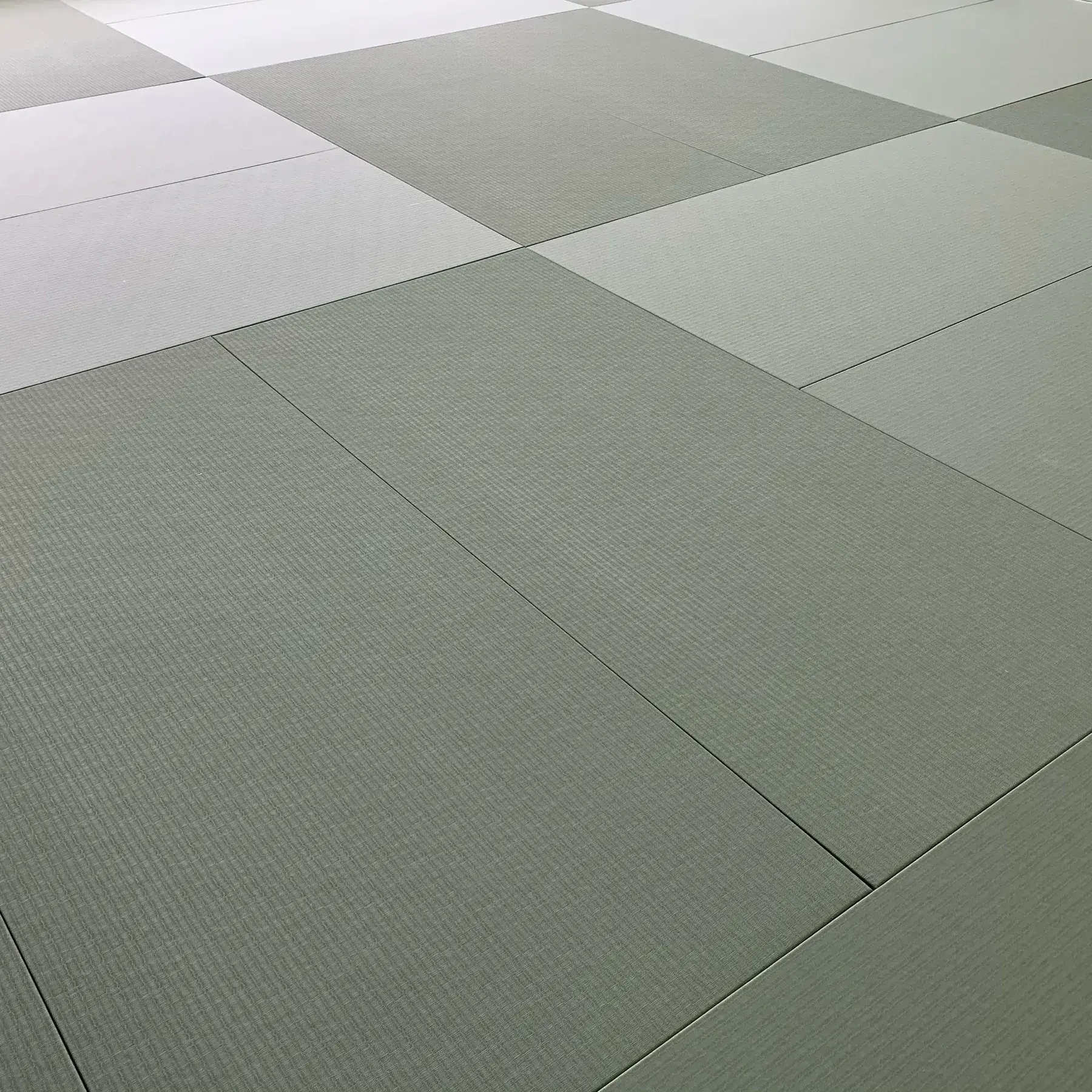
Tatami and a resilient floor can reduce impact, but they cannot remove every risk.
A stable surface helps manage impact and gives grip for movement and ukemi.
The KUMA Floor System adds resilience and spreads landing forces.
Ukemi, good instruction, controlled practice, cleaning and inspection also matter.
A dojo is a place to practise a Way. In judo, we learn technique, etiquette, discipline and respect.
A bow shows gratitude, respect and readiness to practise safely.
No. A gym is mainly for exercise. A dojo also carries the etiquette, culture and responsibilities of judo.
No. Tatami and a resilient floor can reduce impact, but safety also depends on ukemi, instruction and controlled practice.
References from the International Judo Federation and the Kodokan Judo Institute.
Begin with a bow and discover judo at KUMA.